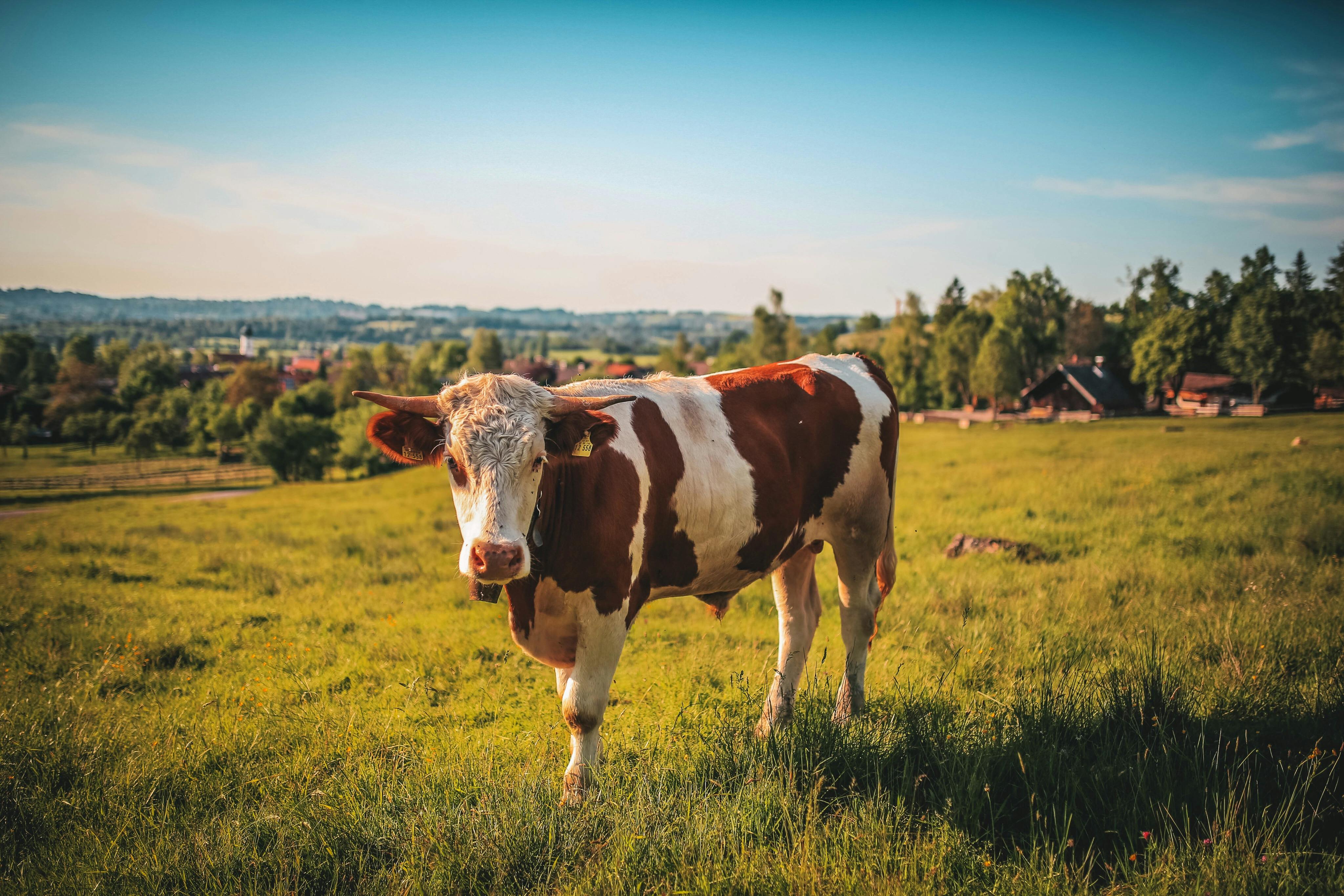
Adnat Feed Grade Urea is a high-quality non-protein nitrogen (NPN) source designed specifically for ruminant livestock. Manufactured with precision at Adnat Specialty Chemicals’ state-of-the-art facility in Abu Dhabi, it enhances rumen microbial activity, enabling efficient protein synthesis from low-protein forages.
This cost-effective feed additive helps reduce reliance on expensive protein sources like soybean meal, optimizing feed formulations while supporting sustainable farming practices. Adnat Feed Grade Urea is safe, easy to incorporate into total mixed rations (TMR), and complies with global feed safety standards, making it a trusted choice for livestock producers seeking performance and value.
Benefits of Feed Grade Urea
- Cost-Effective Protein Substitute
- Feed-grade urea provides a concentrated source of nitrogen, enabling ruminants to synthesize proteins through rumen microbes, which reduces dependency on expensive protein sources like soybean meal or alfalfa.
- Enhances Nutritional Efficiency
- Urea optimizes microbial growth in the rumen, improving digestion and enhancing the utilization of low-quality forage.
- Reduces Feed Costs
- By partially replacing traditional protein sources, feed-grade urea significantly lowers the overall cost of rations for cattle and other ruminants.
- Promotes Sustainability
- Incorporating feed-grade urea reduces the need for large-scale crop-based protein sources, making it an eco-friendly alternative.
- Easy Integration
- It can be mixed with feed, incorporated into Total Mixed Rations (TMR), or used in lick blocks, offering flexibility for various feeding systems.
Applications of Feed Grade Urea
- Cattle Diets
- Commonly used in beef and dairy cattle diets to increase crude protein content and enhance the digestibility of fibrous feeds like straw, hay, or silage.
- Low-Quality Forage Utilization
- Helps maximize the nutritional value of low-protein, high-fiber forages, enabling livestock to utilize otherwise less digestible feed.
- Supplement Manufacturing
- Used in producing mineral supplements, feed blocks, and pellets as a nitrogen source.
- Ruminant Nutrition Research
- Often utilized in studies on rumen efficiency, protein synthesis, and optimizing nitrogen utilization in feed.
- Custom Feed Formulations
- Incorporated into custom feed blends tailored for specific livestock production systems.
Uses of Feed Grade Urea
- Ruminant Feed Additive
- Urea serves as a Non-Protein Nitrogen (NPN) source, supporting microbial protein synthesis in ruminants’ rumens.
- Improving Milk Production
- In dairy cattle, controlled use of feed-grade urea contributes to maintaining milk yields by supporting the protein requirements of lactating animals.
- Weight Gain in Beef Cattle
- Supports the growth and weight gain in beef cattle when used in balanced rations.
- Lick Blocks and Supplements
- Urea is commonly included in lick blocks, molasses-based supplements, or urea-molasses-mineral blocks for free-range livestock.
- Balancing Rations
- Used to balance nitrogen in rations with low natural protein levels, ensuring optimal rumen microbial activity.
Important Considerations
Proper Dosing: Excessive urea can lead to toxicity; precise formulation and gradual adaptation are critical.
Balanced Rations: Feed-grade urea must be paired with sufficient energy sources to support microbial protein synthesis.
Species-Specific Use: Suitable only for ruminants; monogastric animals like pigs and poultry cannot metabolize urea.
By leveraging feed-grade urea, livestock farmers can achieve significant cost savings while maintaining or improving animal productivity, making it an essential component in modern ruminant feeding strategies.